When investing in a modern dining table, the surface material you choose shapes both the aesthetic of your room and how freely you can live and entertain within it.
For generations, natural marble has been the ultimate symbol of prestige for anyone seeking a luxury dining table UK style. But a modern contender has reshaped the furniture industry: the porcelain dining table. If you are torn between the classic appeal of natural stone and the need for modern functionality, here is the definitive comparison.
The Allure and Anxiety of Natural Marble
Marble is undeniably beautiful. As a traditional stone dining table, it offers a deep, natural translucence and unique veining that nature never repeats twice.
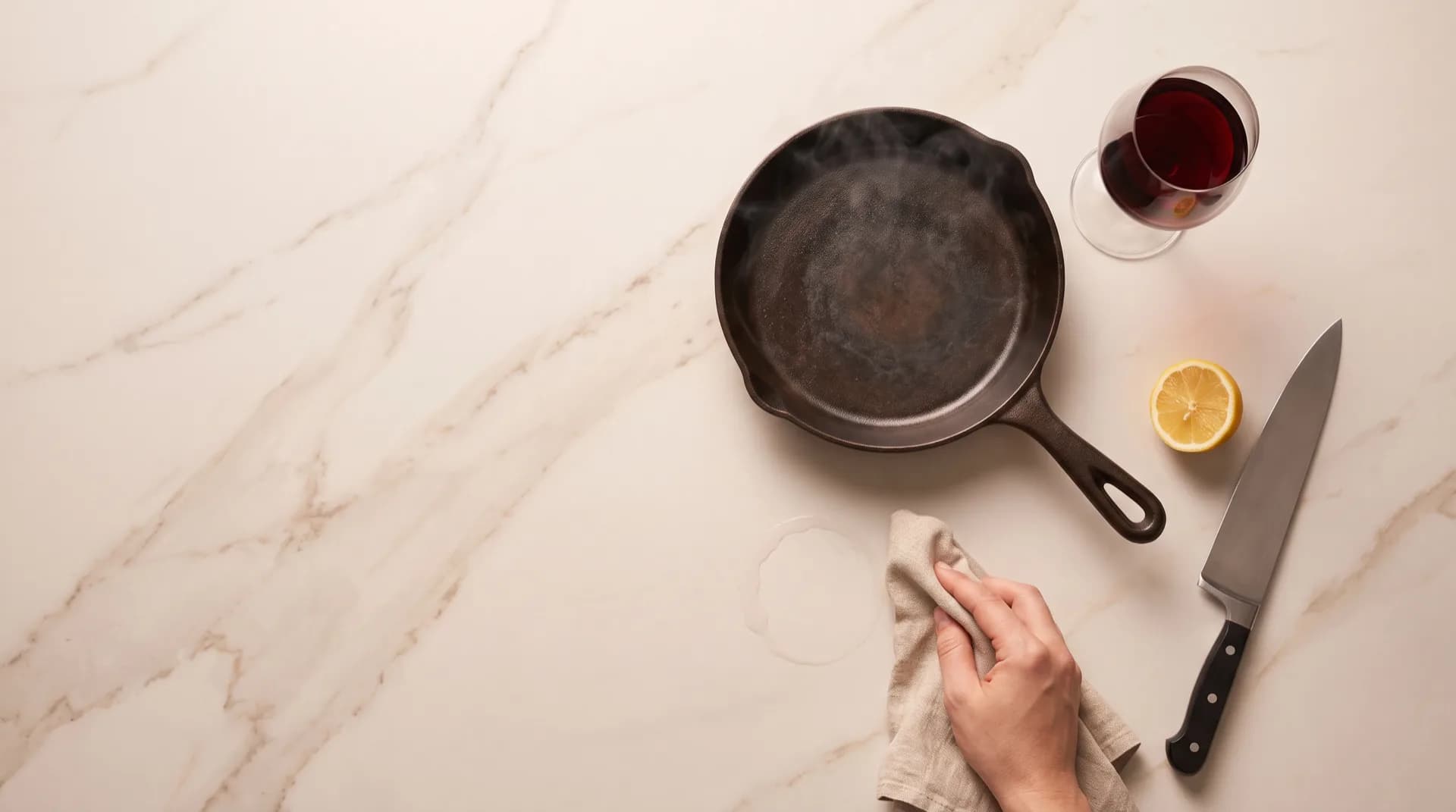
It also comes with significant drawbacks for daily life. Marble is an incredibly porous and relatively soft stone. A spilled glass of red wine, a splash of lemon juice or a misplaced hot pan can cause permanent staining, etching or thermal cracking. Owning a real marble table often means using coasters religiously, wiping up spills instantly, and resealing the surface on a schedule.
The Performance of Porcelain
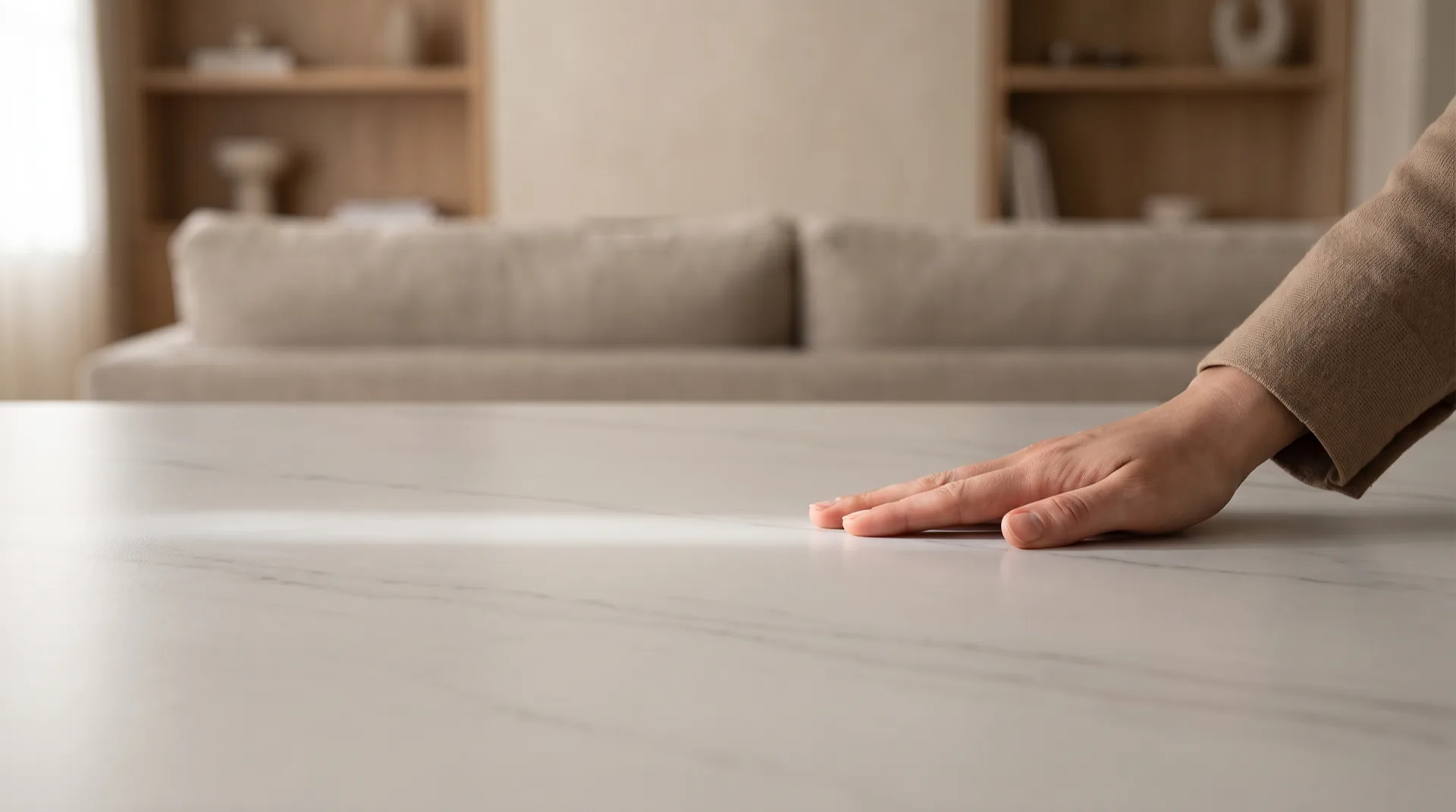
Enter the porcelain table top. Crafted by firing natural minerals at extreme temperatures, a porcelain slab table offers a non-porous, ultra-dense surface. It shares the same high-performance DNA as a sintered stone dining table or a ceramic dining table, which makes it practically impervious to the hazards of a busy kitchen or dining room.
You can spill wine, drop cutlery or set a hot roasting dish straight down without a second thought. It will not scorch, scratch or stain. Because of that durability, it is frequently the material of choice for family homes and heavy-use commercial dining tables alike.


Porcelain vs marble, side by side
- StainingMarble is porous and stains from wine, oil and citrus. Porcelain is non-porous, so nothing soaks in.
- HeatMarble can crack or mark under thermal shock. Porcelain is fired far hotter than any pan you will put on it.
- ScratchesMarble is comparatively soft and etches. Porcelain resists scratching and abrasion day after day.
- MaintenanceMarble needs sealing and immediate spill response. Porcelain needs warm water and a soft cloth.
- CostPremium marble carries a premium price and premium upkeep. Porcelain delivers the same look for less.
Getting the Best of Both Worlds
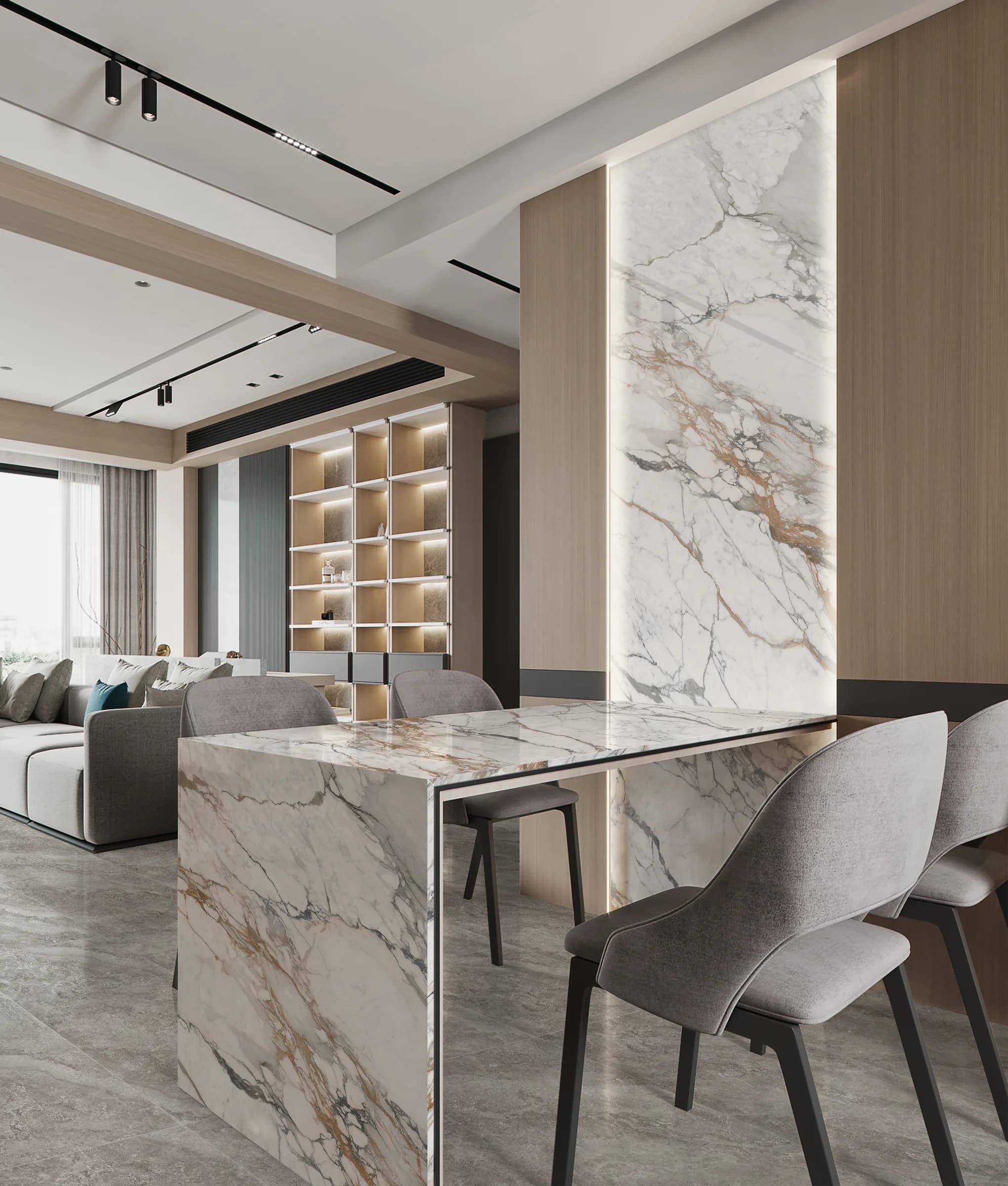
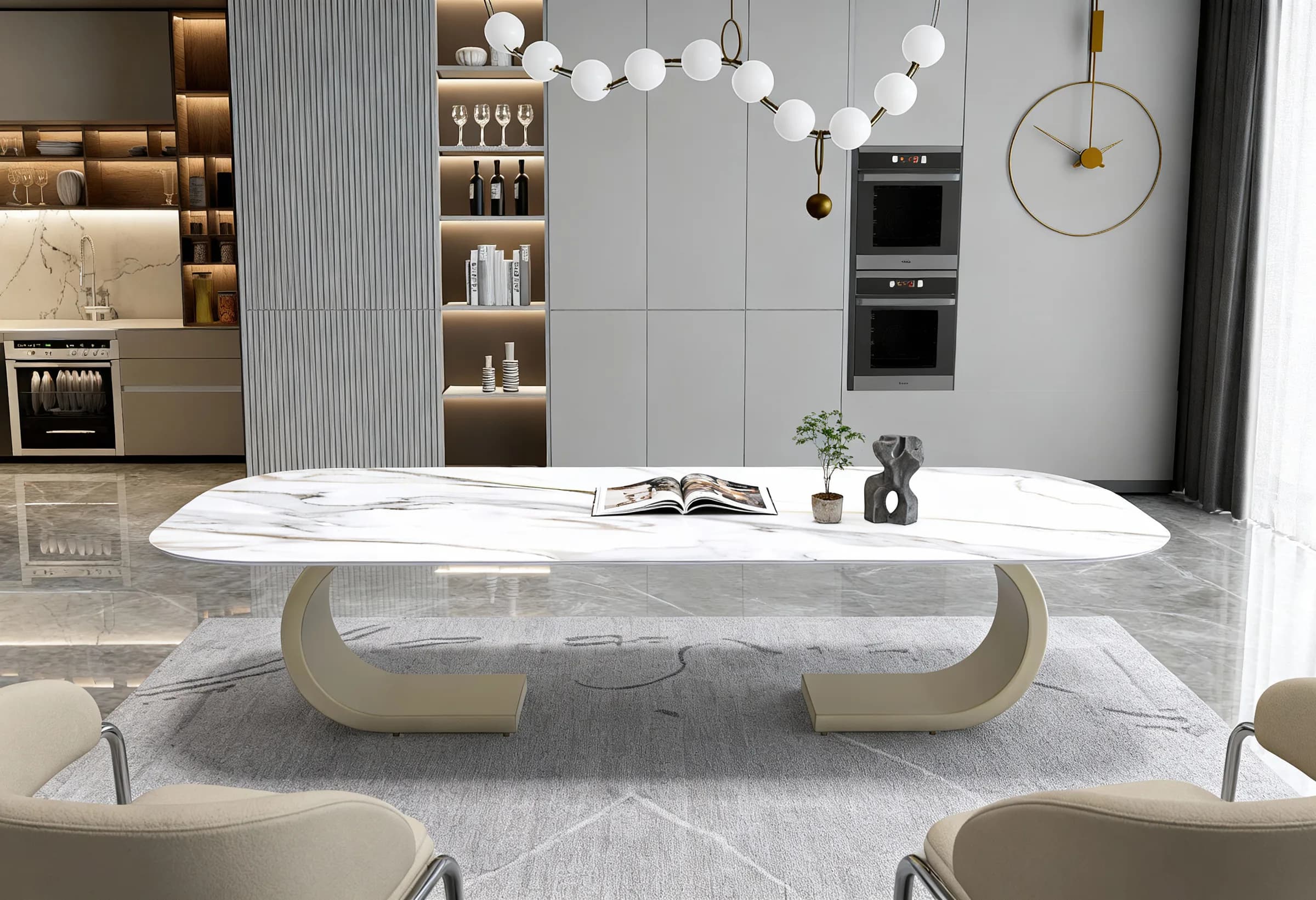
You no longer have to sacrifice the classic look of stone to get modern functionality. Advanced manufacturing lets a stone top dining table made from porcelain carry hyper-realistic veining and texture.
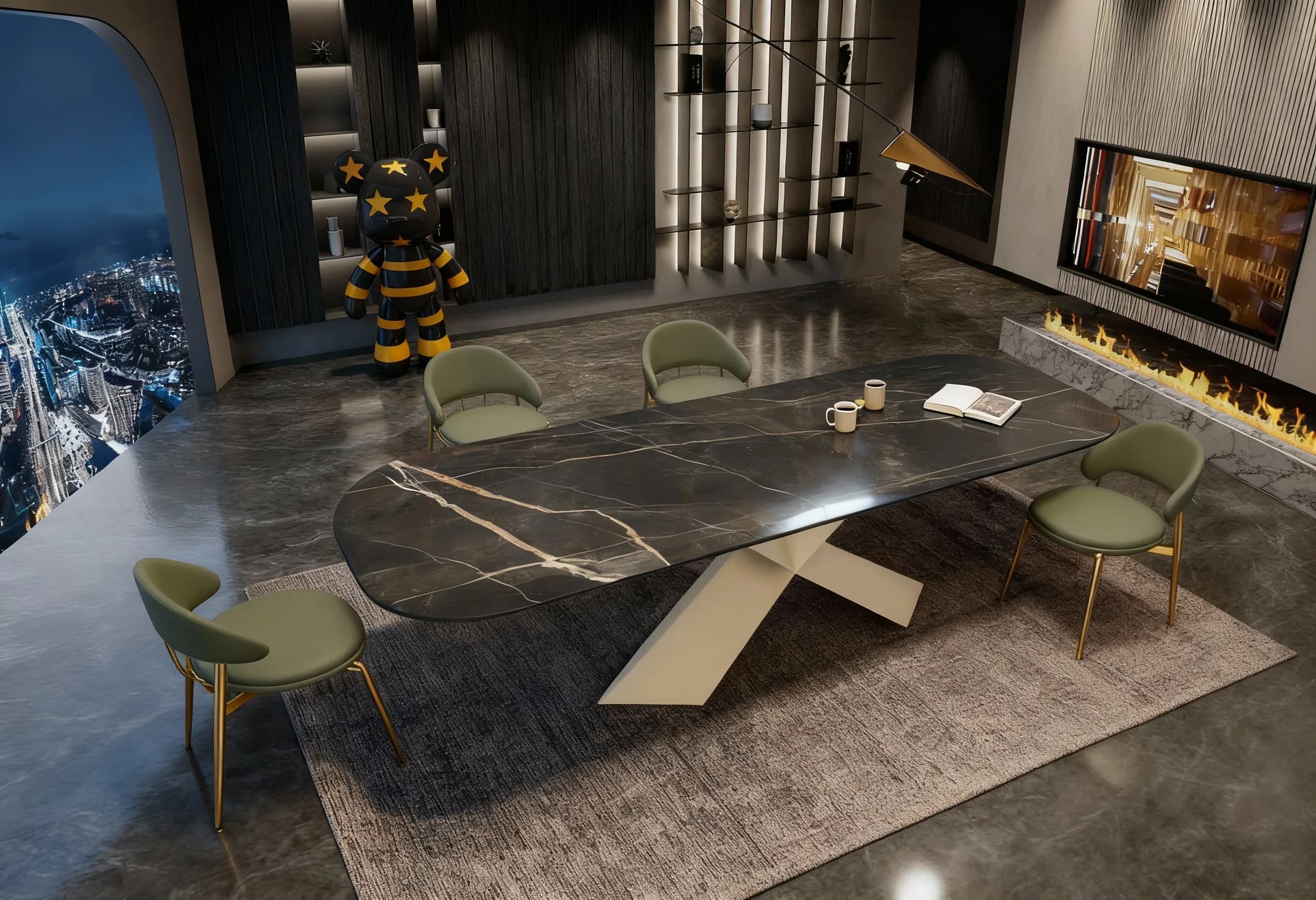
Whether your interior calls for a moody dark dining table or a bright, classic white marble effect dining table, the visual replication is flawless. You get a stunning marble look dining table, or faux marble dining table, that stays looking brand new for decades, with zero maintenance required.
Versatility in Size and Shape
Because porcelain is engineered, it can be crafted in massive, flawless formats that natural stone struggles to achieve without structural weakness. That makes it remarkably versatile for any layout.
Whether you need an intimate round dining table, a sleek rectangular dining table or a sprawling 12 seater dining table for grand entertaining, porcelain scales beautifully. Paired with the right base, such as a contemporary silhouette on a dining table with metal legs, it becomes the perfect minimalist dining table to anchor your space. Add chairs from the same collection and the room reads as one considered piece.
The Smart Choice: How to Source Your Table
Finding the exact size, base style and marble-effect finish on the high street can be frustrating. That is why turning to an expert custom table maker is the smartest route for a tailored home.
This is an area where BeMade excels. Porcelain offers the same benefit-led properties as a sintered stone table top, including unmatched heat and scratch resistance, but is a much more economical material, and those savings go straight to the customer without sacrificing an ounce of luxury or performance.
You don't have to settle for what is simply in stock. You can design your own dining table, down to the finish, the shape and the base.
With the dining table configurator, a custom dining table UK wide, a specific 8 seater dining table or a grand 10 seater dining table is a few choices away. Opting for a made to order dining table guarantees a true custom made dining table: the designer dining table experience and the bespoke dining table UK craftsmanship, combining the timeless elegance of marble with the stress-free brilliance of porcelain. See what that looks like in the gallery, or tell us about your room.
Frequently asked questions
Last updated 5 August 2026