Two people can choose the same porcelain slab and end up with tables that feel nothing alike. The difference is the finish. Polished, silk and natural are the three surfaces we offer, and they change how the top handles light, how much of the veining you actually see, and how forgiving the table is on an ordinary Tuesday evening.
None of them is the correct answer. Each one is very good at something and slightly awkward at something else, and in almost every case the fix for one finish's weak point is simply one of the other two. This guide sets out both sides so you can match the finish to your light, your room and the way the table will be used. If you are still deciding on the surface character itself, dining table materials and finishes covers that first half of the decision.
The Three Finishes in Short
- PolishedA high gloss, reflective surface. It deepens colour, lifts veining and gives the table a luxurious contemporary presence.
- SilkA soft satin finish with a subtle sheen. It sits between polished and matte, smooth to the touch and refined rather than showy.
- NaturalA matte, non-reflective surface that closely replicates the look and texture of natural stone. Understated, organic and quiet in the room.
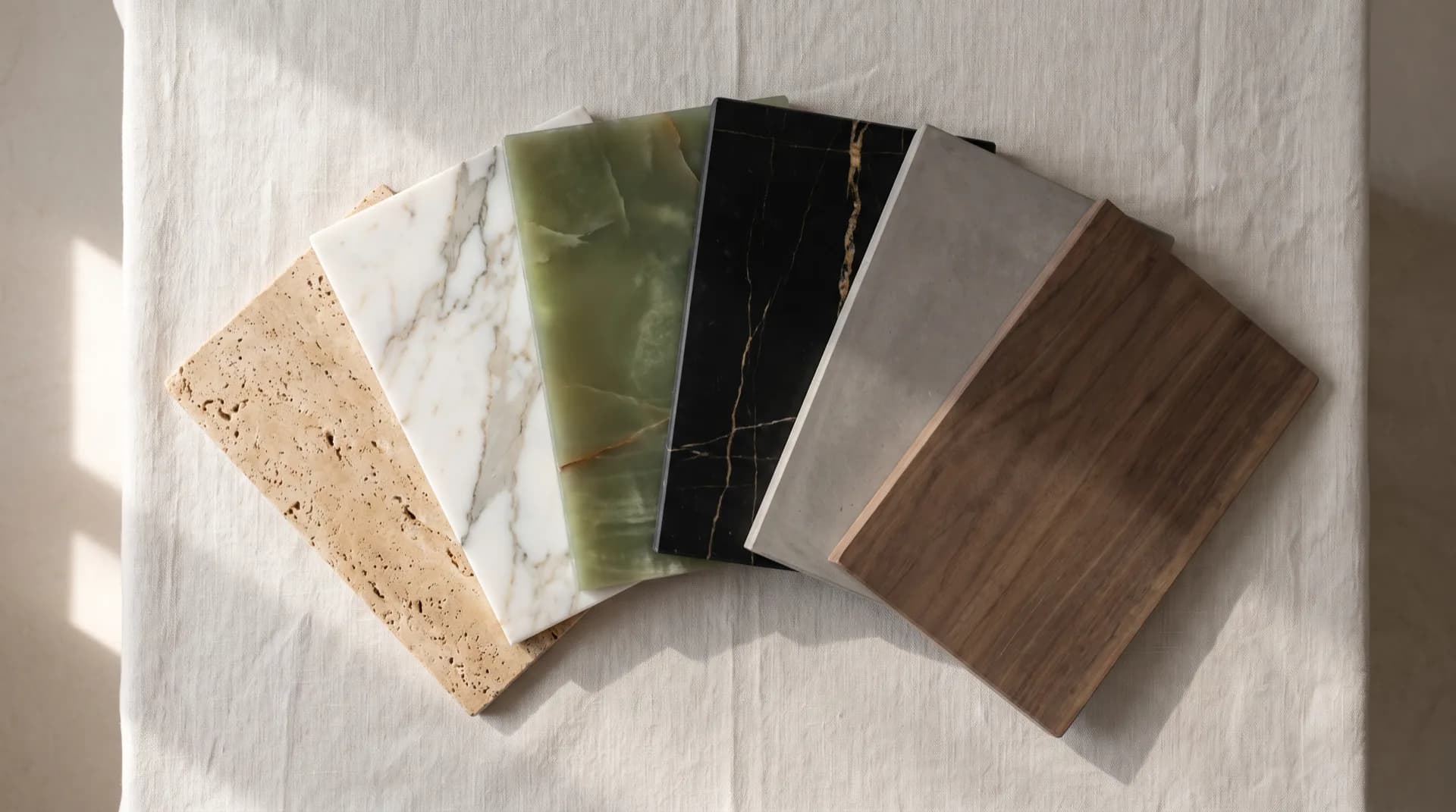
Three of our slabs, each shown in the finish that suits it best.
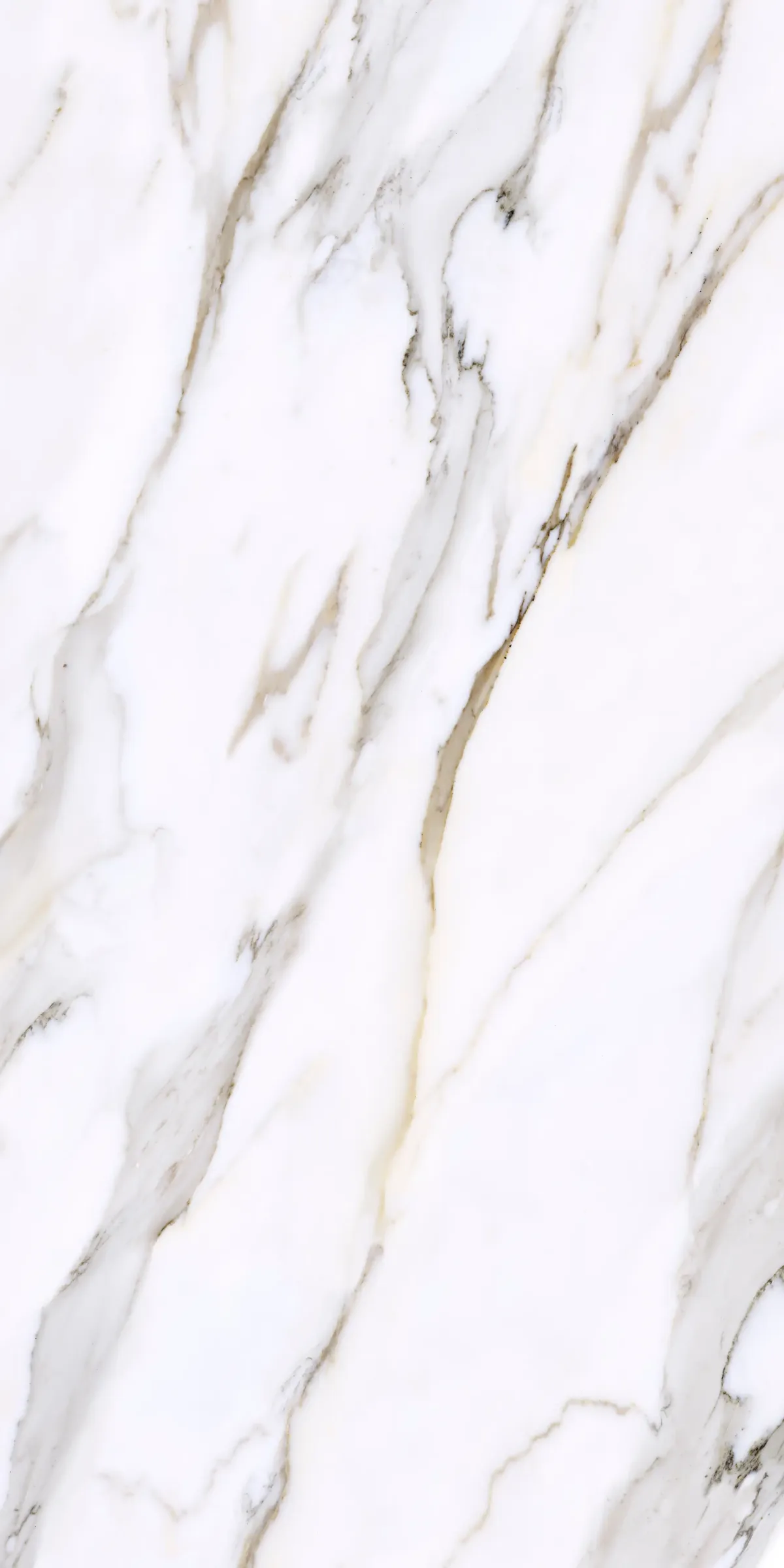
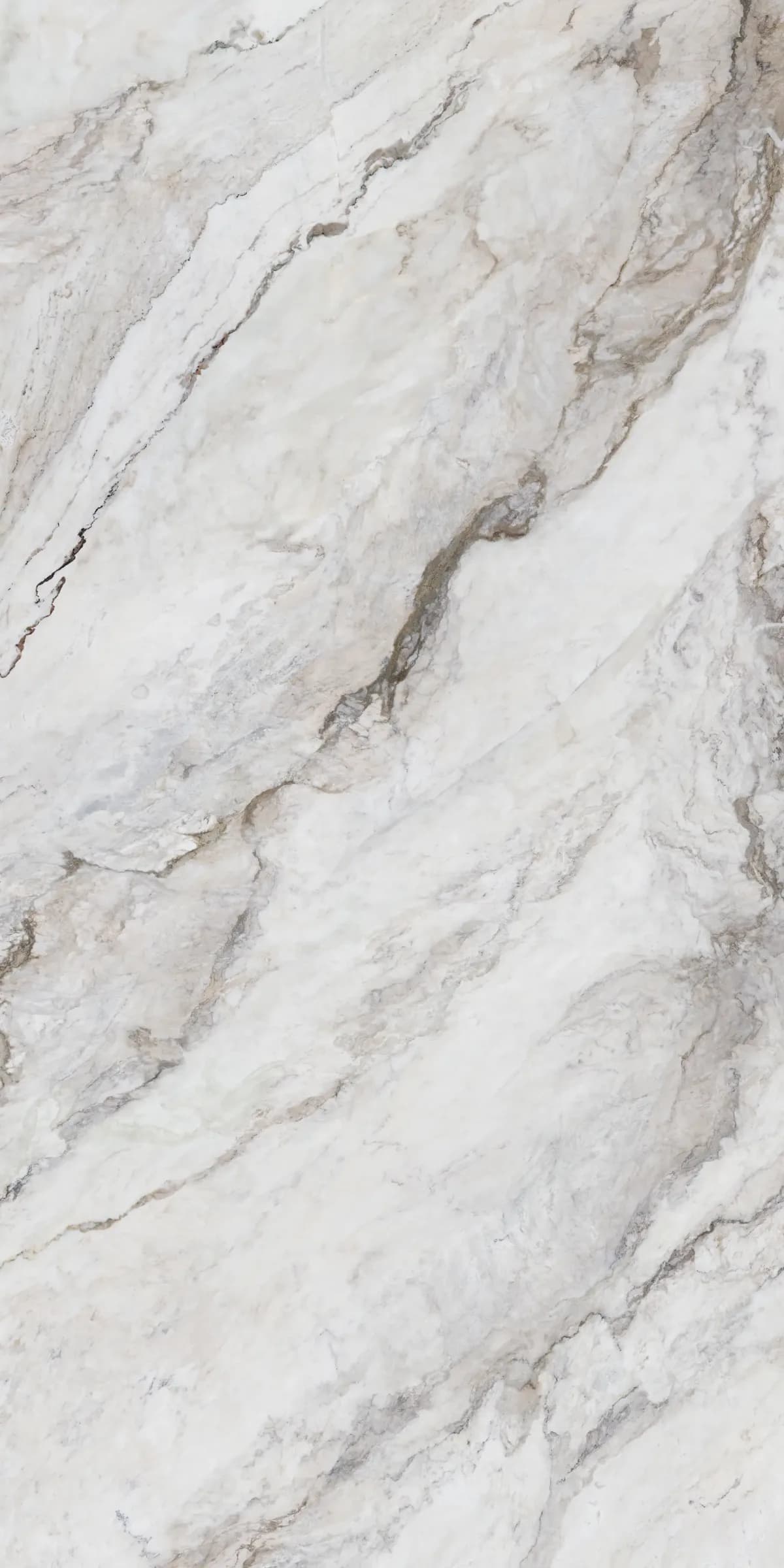
Polished: Depth and Drama
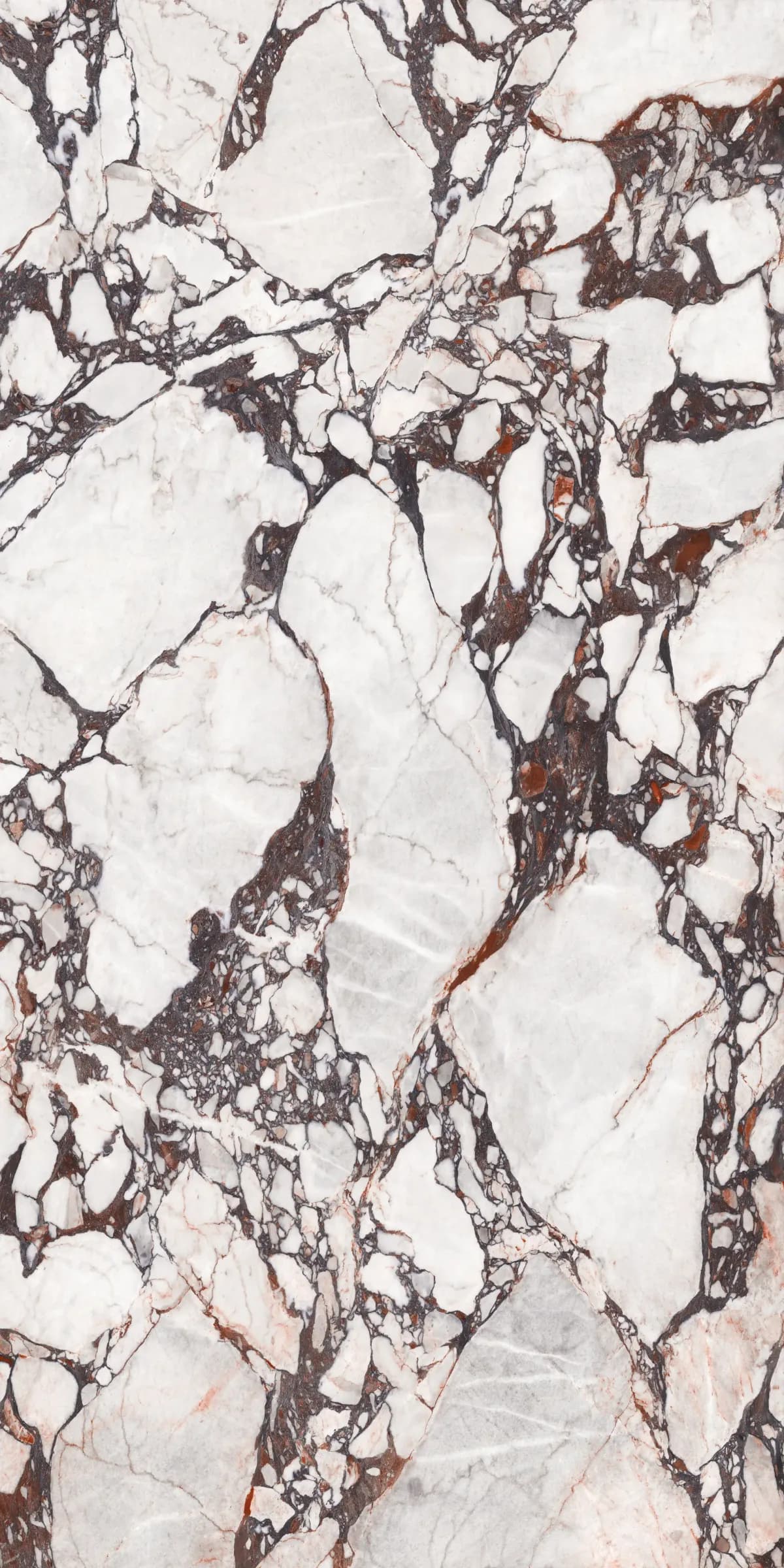
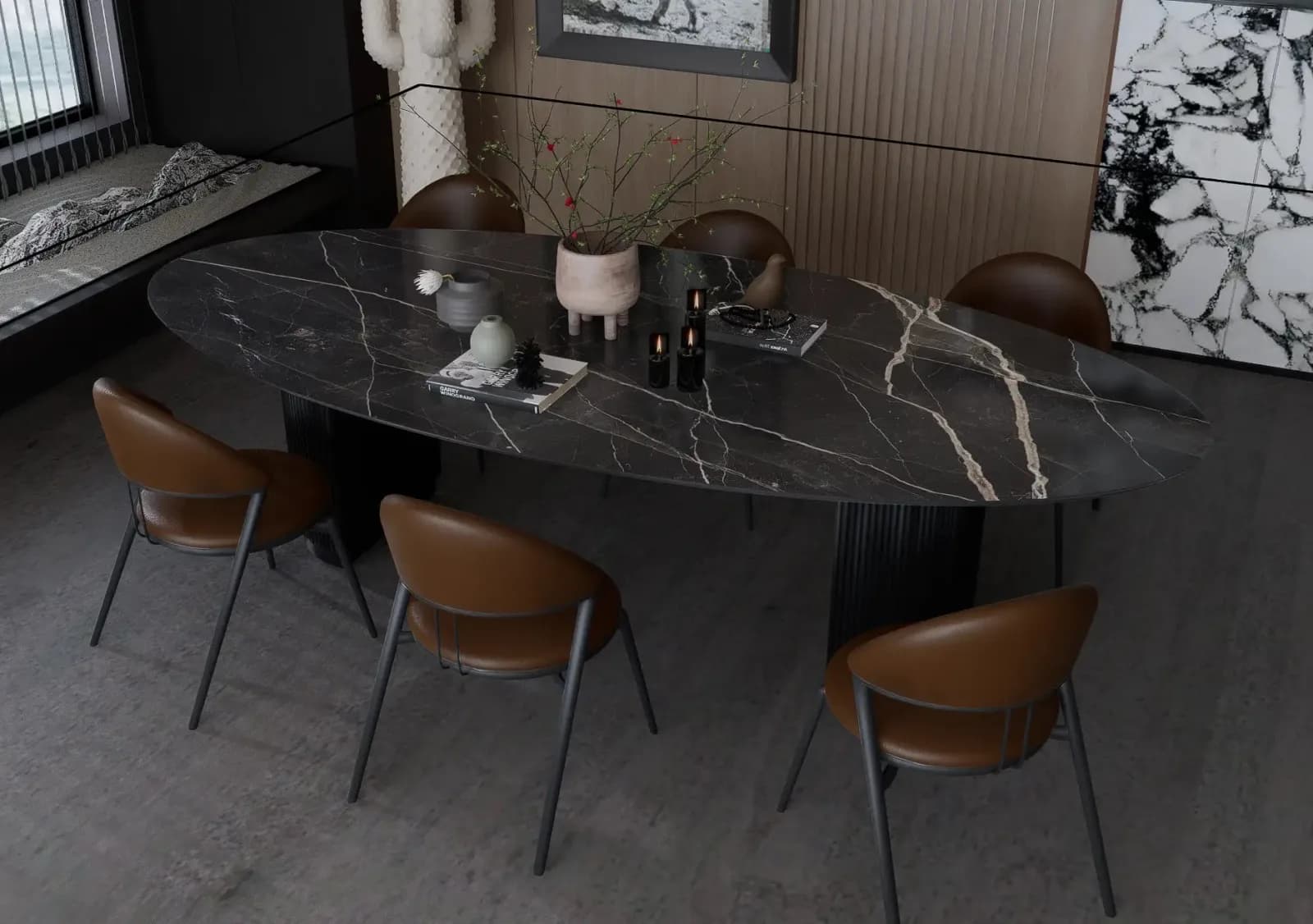
A polished top is the most expressive of the three. Gloss pulls colour forward, so a white Calacatta reads brighter and its gold veining looks like it is lit from within. Dark slabs gain the most of all: a near-black surface with fine bronze movement can look almost liquid under a pendant. If the table is meant to be the statement piece of the room, polished is the finish that makes the case.
It is also the easiest surface to wipe down. There is no texture at all, so crumbs, sauce and fingerprints lift off with a damp cloth and nothing settles into the face of the slab.

Where polished asks something of you
Reflectivity works in both directions. A mirror surface returns whatever is above it, which is wonderful with soft pendant light and less wonderful under a row of downlights. If you have spotlights directly over the table and the table is in heavy daily use, fine surface scuffs from ceramic bases, cutlery and grit will eventually catch that light at certain angles. The porcelain itself is still intact and unmarked in any structural sense. It simply shows what is there, the way a piano black finish does.
Polished also shows fingerprints, water spots and dust between wipes, particularly on darker slabs. In a household where the table is cleared and wiped after meals this is a non-issue. In a house where the table is a desk, a homework station and a place where the shopping lands, it becomes a daily chore.
Polished is genuinely the right choice in formal dining rooms, in spaces lit by pendants and lamps rather than grids of downlights, on dramatic slabs that deserve the extra depth, and on tables used mainly for hosting. Chosen for the right room, it is the most beautiful of the three by a clear margin.
Silk: The Considered Middle
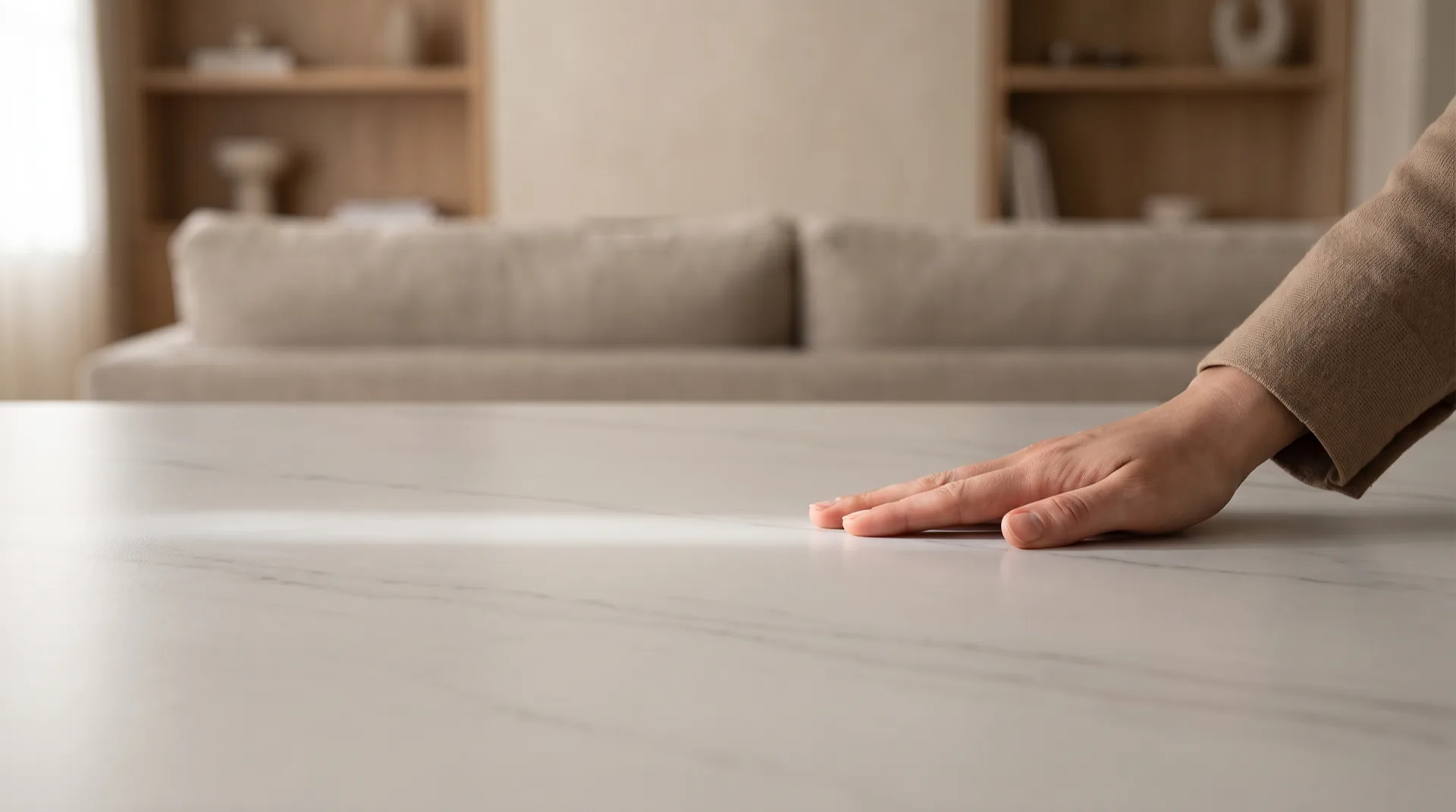
Silk is the finish most of our clients end up choosing, and the reason is straightforward. It keeps a soft sheen, so veining and colour still have depth and the surface has some life to it, while the sheen is diffuse enough that the table stops behaving like a mirror. Reflections become a gentle glow rather than a sharp image of the ceiling.
It is also the nicest of the three to touch. The surface is completely smooth, with a faint softness under the hand that polished glass does not have. Marks show far less readily than on polished, and it wipes down almost as easily, since there is no real texture holding anything.

Where silk gives something up
Being the middle option means it is the boldest at nothing. On a slab chosen specifically for dramatic, high contrast veining, silk holds back perhaps a little of the punch that gloss would have given it, and a very dark silk top will still show some fingerprints, just fewer and more softly than polished would.
The honest counter is the same in both directions. If the slab is the whole point of the room and you want every bit of contrast out of it, polished is the finish that delivers it. If fingerprints on a dark surface are the thing that will irritate you, natural removes the problem completely. Silk earns its popularity by being the finish that rarely looks wrong in any room, at any time of day.
Natural: Quiet and Forgiving
Natural is matte and non-reflective, and it does the most convincing impression of real honed stone. There is a faint texture to it that reads as authentic rather than manufactured, which is exactly why it has gained so much ground in warm minimal and architectural interiors. Travertine and limestone characters in particular come alive in this finish, because that is how the real material behaves.
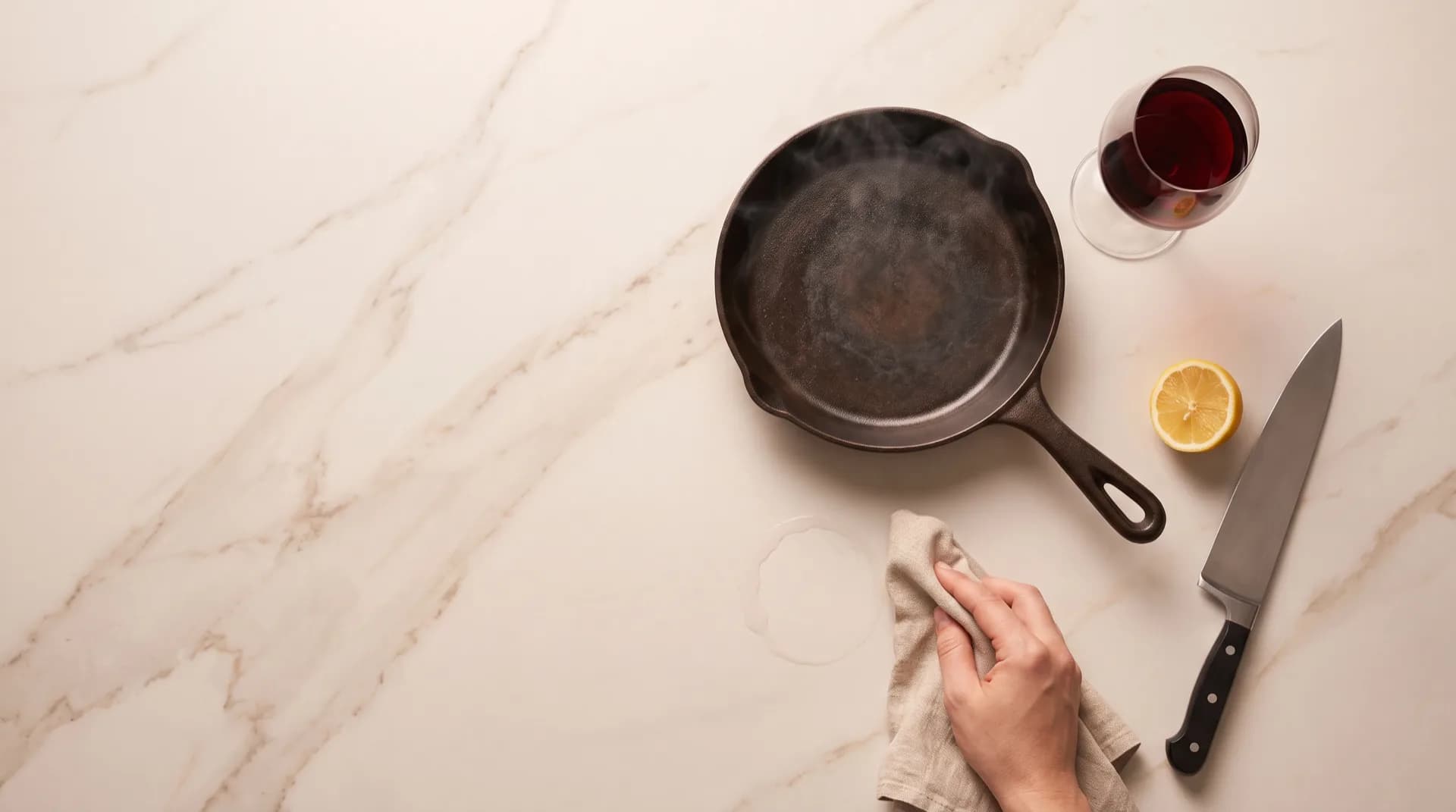
It is comfortably the most practical of the three for a table that works hard. Nothing reflects, so nothing is on display: no ceiling lights, no fingerprints, no water spots, no fine scuffs catching a spotlight at the wrong angle. For a family kitchen table under a run of downlights, it is the finish we most often recommend.
Where natural has its own trade
Matte surfaces read cooler and calmer, which means colour depth is dialled back. A slab with subtle tonal veining can look a touch flatter in natural than it does in the sample you fell for, and deep dark colours lose some of their richness. The fine texture also means a dry crumb or a splash of oil wants a proper wipe with a damp cloth rather than a quick brush of the hand, and in hard water areas a wet glass left to dry can leave a faint chalky ring until it is cleaned off.
Both of those have clear alternatives. If you want the colour back without returning to gloss, silk restores most of the depth while keeping marks discreet. If the slab is a dramatic one and you want everything it has, polished is the finish that gives it, on the understanding that the room's lighting needs to be kind to it.
Side by Side
| Polished | Silk | Natural | |
|---|---|---|---|
| Reflectivity | High gloss, mirror-like | Soft satin sheen | Matte, non-reflective |
| Colour and veining | Deepest and most dramatic | Rich, slightly softened | Quietest and most natural |
| Fingerprints and water marks | Most visible | Noticeably less visible | Largely invisible |
| Under downlights | Reflects the light and anything on the surface | Gentle glow | Absorbs and scatters the light |
| Feel | Glass smooth | Smooth with a soft touch | Stone-like, faint texture |
| Best suited to | Formal rooms, hosting, dramatic slabs | Almost any room and any use | Daily family use, bright or spotlit rooms |
| Everyday care | Wipes instantly, wants wiping often | Wipes easily | Wipes easily, prefers a damp cloth |
Let the Room Decide
Two questions settle this more reliably than personal taste does.
- 1. What is directly above the table?A grid of downlights or a bright south facing rooflight pushes you towards silk or natural. A single pendant, wall lights or a north facing room is where polished is at its best.
- 2. How often is the table actually used?A table used most evenings by a family, and for laptops and homework in between, wants natural or silk. A table used for dinners and occasional hosting can carry polished comfortably.
The base belongs in this conversation too. A polished top on a bronze or brass frame doubles the amount of shine in the room, where the same combination in natural reads as warm and grounded. It is worth choosing the two together, and the table bases show how much the frame shifts the temperature of an identical surface. Floor tone works the same way, which the dining room flooring guide goes into.
Choose the surface you want in the room, then choose the finish that suits the light it will sit in and the life it will have. That second decision is the one people underestimate.
Final Thoughts
Polished gives you the most beautiful version of the slab and asks for a considered lighting scheme and a regular wipe. Natural gives you the most relaxed table in the house and asks you to accept slightly quieter colour. Silk gives up a little of each and is the reason it suits so many rooms.
Whichever you choose, the porcelain underneath is identical and will take heat, knocks and daily use the same way. See finished pieces in the gallery, read the dos and don'ts for day to day care, or talk to us about your room and we will tell you honestly which finish we would put in it.
Frequently asked questions
Last updated 17 September 2026